

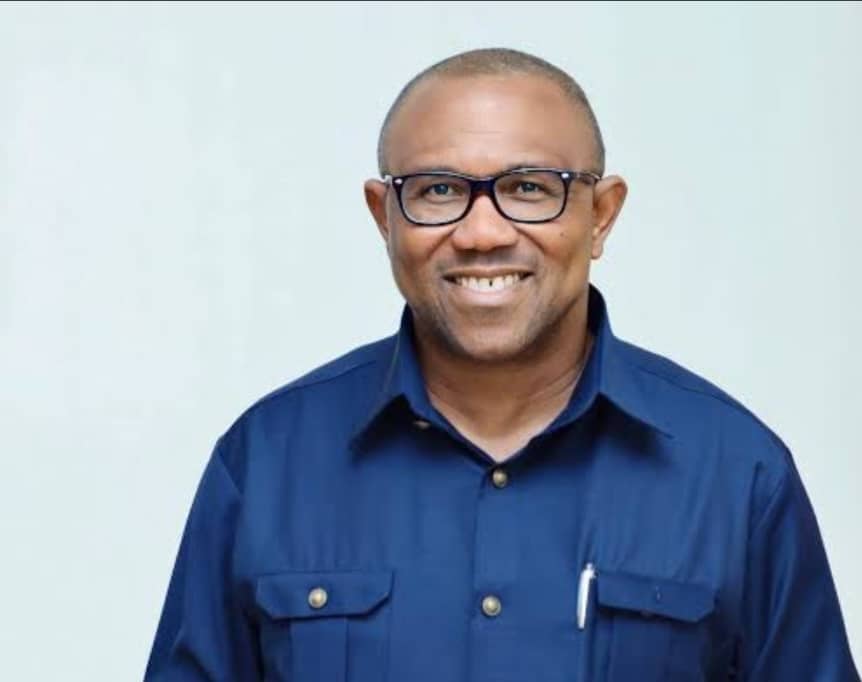
By Ezeh Emmanuel Ezeh PhD
When colonial powers withdrew from Africa, they left behind artificial borders and a borrowed illusion. Democracy. A kind of governance system hastily transplanted from Western soil arrived stripped of the institutions that gave it meaning. What Africa inherited was not democracy in its full form, but its most fragile version: a skeletal framework devoid of accountability, civic trust, and institutional integrity.
It was democracy handed down like a secondhand coat. Very ill-fitting, faded, and unsuited to Africa’s climate. Ballots were introduced without justice, elections without transparency, parliaments without power to protect the people. Leaders were taught to mimic the rituals of governance, campaigns, constitutions, congresses but without the substance that sustains them. What emerged is democracy built for display, not delivery.
Nowhere is this tragedy more visible than in Nigeria. Elections are held, but the people do not choose. Laws are written, but they do not protect. Institutions exist, but they serve the powerful. What remains is democracy in name only, a hollow shell used to legitimize corruption, tribalism, and elite capture.
Rather than reform this inherited system, many African leaders have weaponized it. Democracy has become a tool for personal gain, a theater of manipulation. The ballot box is a battlefield for ethnic division. The judiciary is a pawn in political chess. The media is gagged, civil society is strangled, and the people are left to watch the spectacle of democracy without ever tasting its fruits.
This is not the failure of African people, it is the failure of imposed systems. A democracy without roots cannot bear fruit. Africa’s democracy was never planted in African soil; it was imposed from foreign lands, with little regard for indigenous governance traditions, communal leadership, or cultural context.
Africa must now turn inward to reimagine democracy. The continent must craft a governance model rooted in credibility, fairness, and integrity. One that draws from its own rich traditions of consensus-building and moral authority. One that learns from the Nordic emphasis on social trust and transparency, and from China’s focus on long-term planning and meritocratic leadership.

This is not a choice between East and West. It is a choice between imitation and authenticity. Africa must build a governance system that reflects its soul, not its scars.
This is where the Obidient Movement must rise beyond the borders of Nigeria, rather as a continental awakening. It must become the rallying point for a new political order for the Black race. As Paul Collier’s The Bottom Billion reveals, Africa is trapped in a cycle of poverty and misgovernance. Disrupting this cycle demands more than hope, it demands confrontation.
Obidients must be ready to challenge the system at its roots: first by confronting the platforms that sustain it, then by forcing reforms and insisting that democratic institutions be freed from the grip of the old guard. Without a base that is bold, organized, and mad enough to shake the foundations of power, nothing transformative will happen. This is where Gen Zs and Gen Alphas must break from the inertia of older generations and boldly advance their own agenda.
Senator Natasha Akpoti has shown what the power of a mobilized people can achieve. Obidient leaders must now choose: continue the cycle of performative rhetoric or refocus the Movement toward a ground game. The appointment of the next INEC chairman and the recognition of Nenadi Usman’s leadership by INEC should be our lowest-hanging fruits. Dr. Tanko must adorn the garb of a wartime consigliere: Strategic. Relentless. Uncompromising.
The future of African governance lies beyond the borrowed robes, but in tailored garments. It lies in rejecting the false democracy that has been abused and embracing a new vision that serves the people, not just the powerful. The journey will be long, but the destination is clear: a governance system not just democratic, but dignified, indigenous, and unshakably just. The battle line is drawn—and Obidients must be ready to march through it with clarity, courage, and conviction.
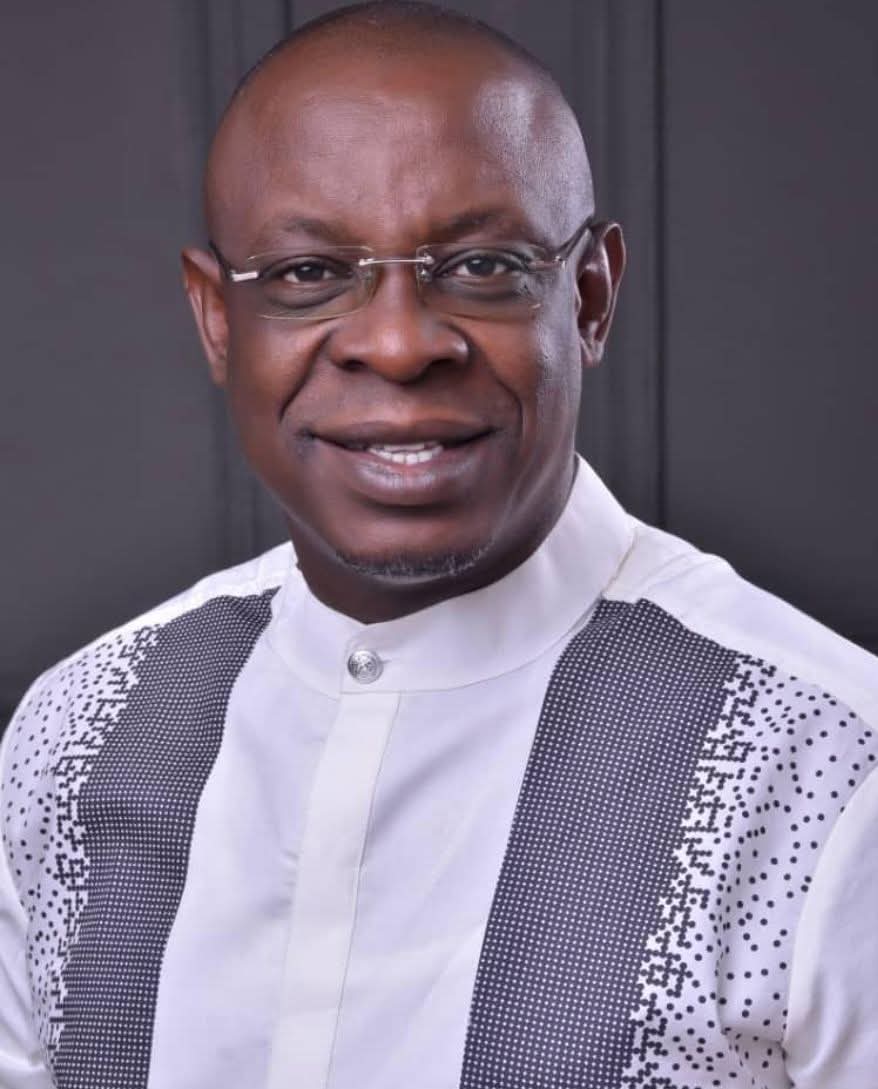
Ezeh Emmanuel Ezeh Ph.D, DBA, GPOL(oxon)
President, Ebonyi Chamber of Commerce, Industry, Mines and Agriculture. Oxford-trained entrepreneur and organizational Leadership technocrat, Trade Policy Professional, Public policy expert and about to graduate student of SPPG, is a member of the National Advisory Committee of the Obidient Movement. LP 2023 House of Representatives Candidate for Abakaliki/Izzi Federal Constituency.