
National Assembly Proposes 3-tier Traditional Institutions in Nigeria
..seeks financial autonomy, protection against politicization of traditional stools

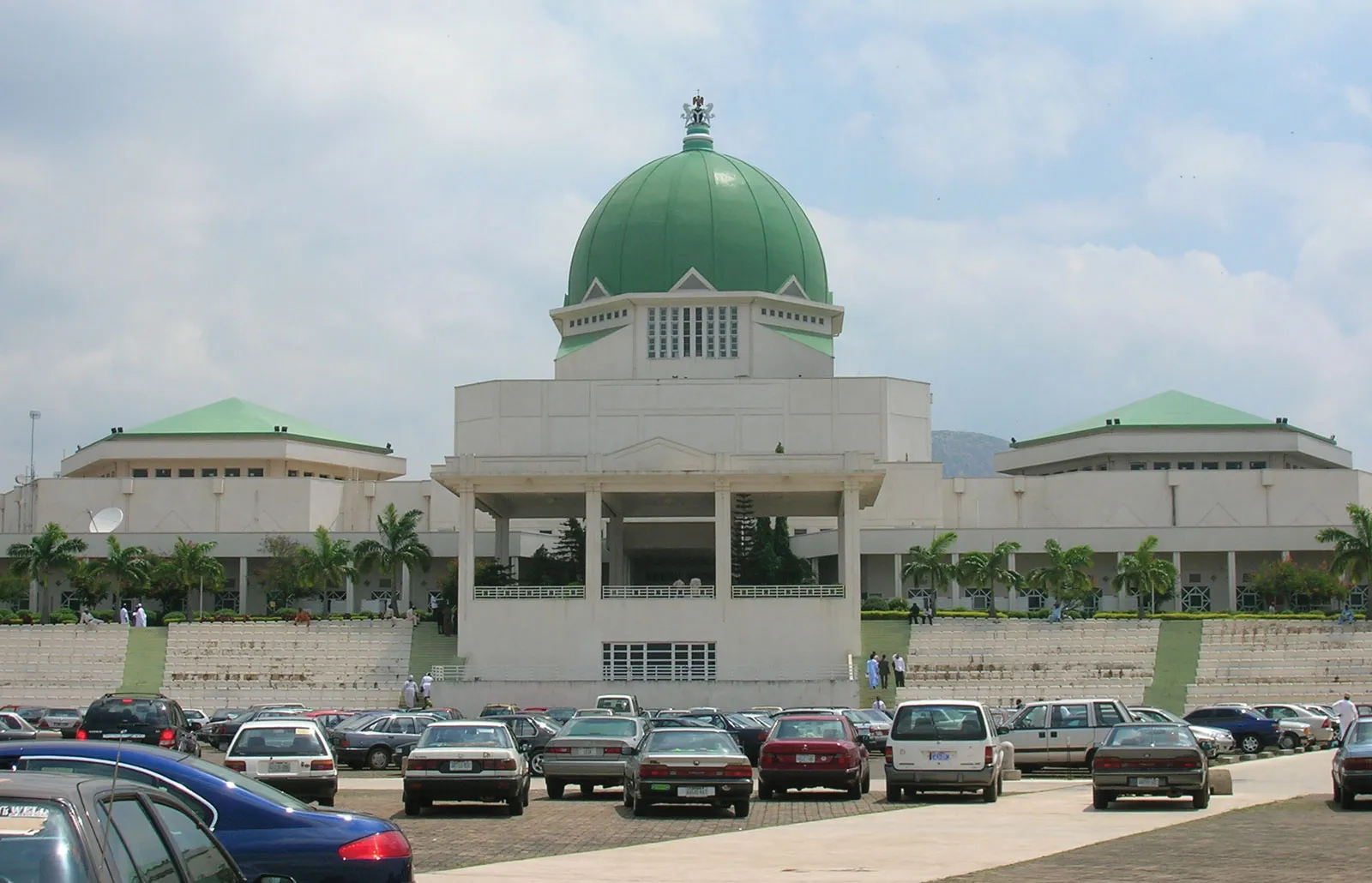

The Speaker of the House of Representatives Rt. Hon. Abbas Tajudeen, has said that the 10th National Assembly is currently working on proposals to bring about a three-tier traditional institutions in Nigeria through the ongoing alteration of the 1999 constitution.
The Speaker stated this on Wednesday in Abuja during an interactive session with traditional rulers as part of activities for the 2025 Open NASS Week organised by the leadership of the House in collaboration with the Policy and Legal Advocacy Center (PLAC). The United Nations Development Programme (UNDP) and the National Assembly Library Trust Fund (NALTF) provided support for the event.
Chairing the second session of the day after the first one featuring women/gender advocacy groups, Speaker Abbas informed the traditional rulers led by the Emir of Zazzau, Amb. Ahmed Nuhu Bamalli said the proposed three tiers of traditional institutions would cut across federal, state, and local governments to complement the efforts of the political class.
“Permit me just to give you an insight into what the National Assembly is deliberating on as far as traditional institutions are concerned. The 10th National Assembly is actively entertaining proposals to grant some constitutional recognition to traditional institutions. In so doing, there are proposals to have a three-tier traditional council structure as follows:
“We should have a National Council of Traditional Rulers; it will be an apex body to advise the President on issues of national unity, security, and cultural affairs.
“The second tier will be the State Council of Chiefs to be constitutionally recognized by state governments regarding issues of customary laws, peacebuilding, and development. “And then Local Government Traditional Council to formally engage with local governments, especially on security, peacebuilding, and community development,” he said.
The Speaker stated further that “these proposals are based on the unimplemented Section 8 of the 1989 draft constitution, which provided for a local government traditional council presided over by traditional rulers.”
Speaker Abbas also noted that one important issue that has often been ignored is that of financial autonomy for the traditional institutions.
He said the incidence of having to go cap-in-hand to state governors or local government chairmen puts the traditional institutions in serious disadvantage, saying financially guaranteed traditional institutions would function better for all in terms of service delivery.
Also responding to concerns of political victimization and harassment by the political class, particularly during and after elections, Speaker Abbas said the legislature will strive toward achieving a constitutional protection for traditional rulers—to shield them from being coerced into partisanship by those in elective offices during campaign periods.
In a remark, Emir of Zazzau, Amb. Ahmed Nuhu Bamalli said traditional rulers were simply asking for the reinstatement of their previous leadership and administrative roles of peacebuilding, crime prevention, and culture preservation, among others.
He recalled that all pre-independence constitutions recognized the role of traditional institutions up to the 1963 Republican Constitution, after which the provisions were removed from subsequent amendments.
He noted that since the ommision, a lot has gone wrong due to the inability of state agencies to adequately relate to happenings in rural areas without the active involvement of traditional institutions.
Other royal fathers commended the Speaker for his efforts at ensuring that the traditional institutions in Nigeria are once again recognized constitutionally.
They noted that traditional rulers play critical roles in crisis management as well as crime prevention.