
Hope Rises for Patients as Reps Pass Organ, Tissue Transplantation Bill for Second Reading

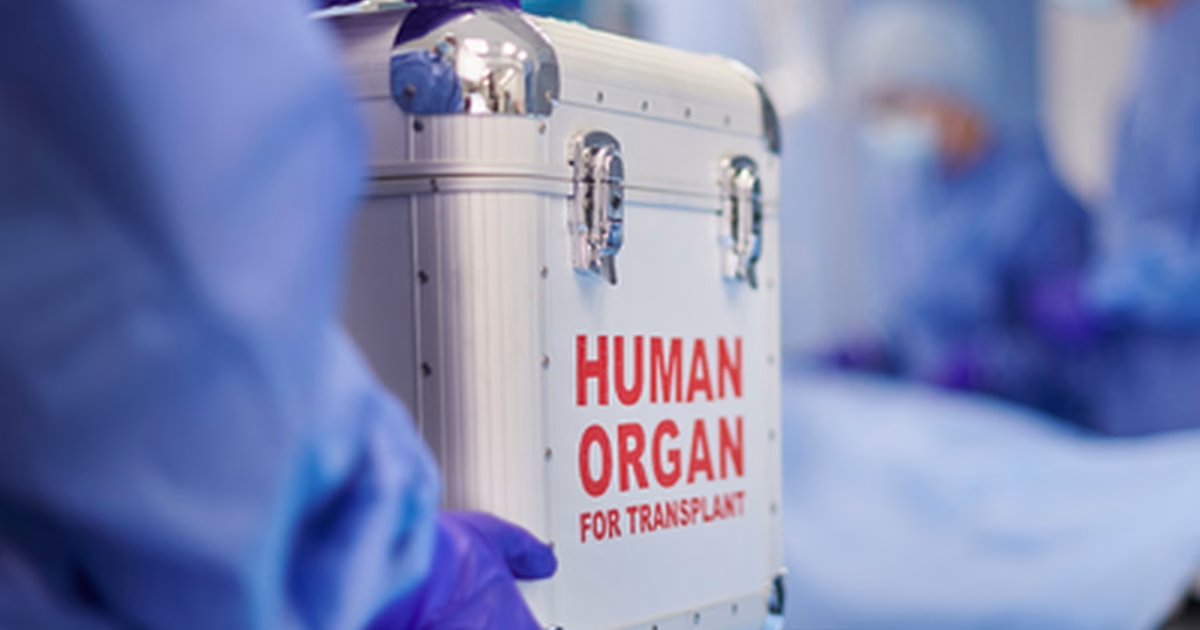

The House of Representatives at plenary on Wednesday passed through second reading a bill seeking for an Act to establish a comprehensive framework for deceased organ and tissue donation and transplantation in Nigeria, while protecting donors, recipients, families and the integrity of the transplantation system.
The proposed legislation titled, “Bill for an Act to Establish a National Deceased Organ and Tissue Donation Program for the Federal Republic of Nigeria; to Provide for the Identification, Referral, Authorisation, Recovery, Preservation, Allocation and Transplantation of Organs and Tissues From Deceased Persons; to Establish the National Organ Donation and Transplantation Authority; to Provide for the Determination of Death for the Purposes of Deceased Donation; to Promote Equitable Access to Transplantation; to Prohibit Organ Trafficking, Transplant Tourism and Commercial Dealings in Human Organs and Tissues; and for Related Matters,” was sponsored by the Deputy Speaker, Rt. Hon. Benjamin Kalu and six other lawmakers.
Leading the debate on its general principles, one of the co-sponsors Hon. Patrick Umoh noted that organ and tissue donation represents one of medicine’s most profound possibilities, that the end of one life may offer the chance of renewed life to another.
He said this possibility carries significant legal, ethical and medical responsibilities, hence Nigeria’s transplantation system requires a clear and coordinated legal framework governing consent, death determination, organ recovery, allocation, transplantation, tissue banking, safety and oversight.
According to him, in the absence of such a framework, vulnerable persons may be exposed to exploitation, while public confidence in donation may be undermined.
He therefore said that the Bill provides that framework by establishing appropriate regulatory structures, ensuring equitable access, strengthening patient safety and expressly prohibiting the commercialisation and trafficking of human organs and tissues.
He explained that recovered organs are to be allocated through a National Organ Allocation and matching system and the national waiting list, stressing that allocation cannot be based on wealth, political influence or other non-medical considerations; inability to pay alone cannot remove a person from the waiting list.
The lawmaker said, “This Bill which seeks to establish a national framework for deceased organ and tissue donation and transplantation that is ethical, equitable, safe and transparent, while preventing organ trafficking and commercialisation contains 172 Clauses divided into 16 Parts and 3 Schedules. Creates a nationwide legal and regulatory structure covering the full deceased-donation pathway—from donor identification through transplantation.
Dedicated Authority: Establishes a National Deceased Donation and Transplantation Authority as the principal national regulator and coordinator, with headquarters in Abuja and progressive zonal structures.
“Explicit consent: Donation is voluntary and requires lawful authorization. The Bill expressly rejects presumed consent/opt-out donation. First-person choice: An adult with legal capacity may authorize donation, and a valid First-Person Authorization remains effective despite family objection.
Binding refusal: A valid refusal is legally binding and must prevent recovery contrary to that refusal. Donation cannot be the reason for declaring death. Death determination is independent of transplantation, with independent confirmation requirements.
“The Bill provides for accreditation, licencing, donor audits, biovigilance, adverse-event reporting, traceability and safety alerts. Organ trafficking, transplant tourism, brokerage and commercial dealings are expressly prohibited and subject to enforcement. Donor families are to receive information, counselling and appropriate bereavement, psychological and requested spiritual/religious support. The Authority must publish annual reports and national performance indicators while protecting confidentiality and personal data.”
The Bill was voted on, passed and referred to relevant committee for further legislative action.