

By Uzoamaka Mfoniso
The Bill & Melinda Gates Foundation has cautioned that Nigeria risks losing hard-won progress in women’s empowerment and health if urgent steps are not taken to sustain momentum.
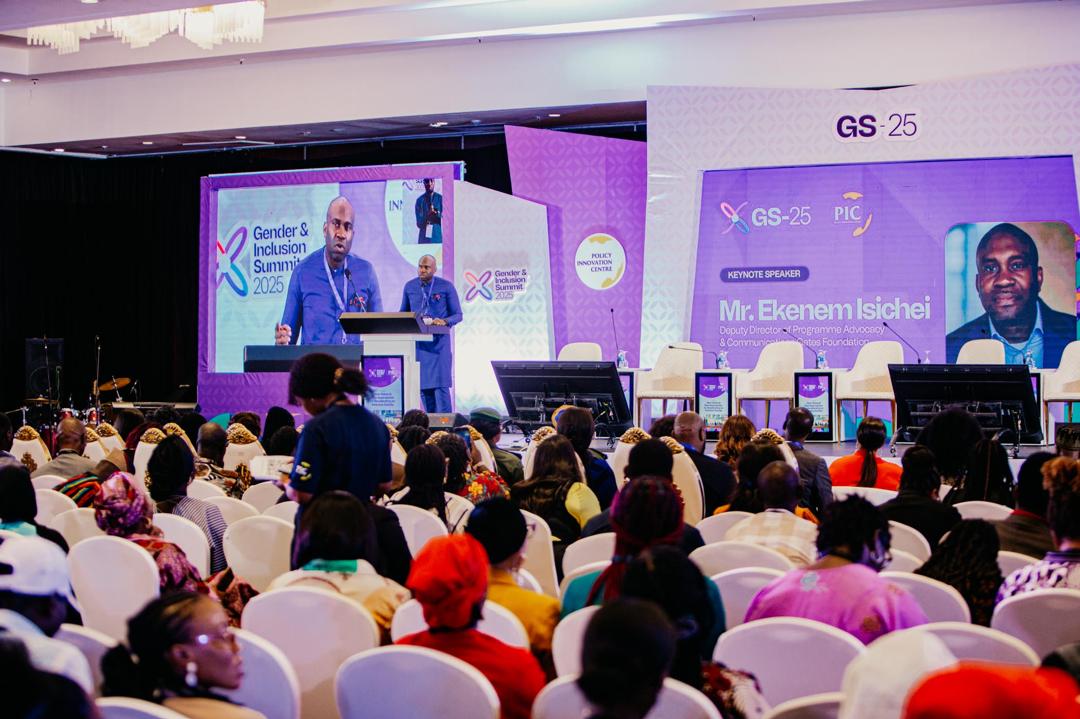
Delivering a keynote at the Gender and Inclusion Summit 2025 in Abuja, Ekenem Isichei, representing the Foundation highlighted sharp cuts in international support and urged stakeholders to act decisively.
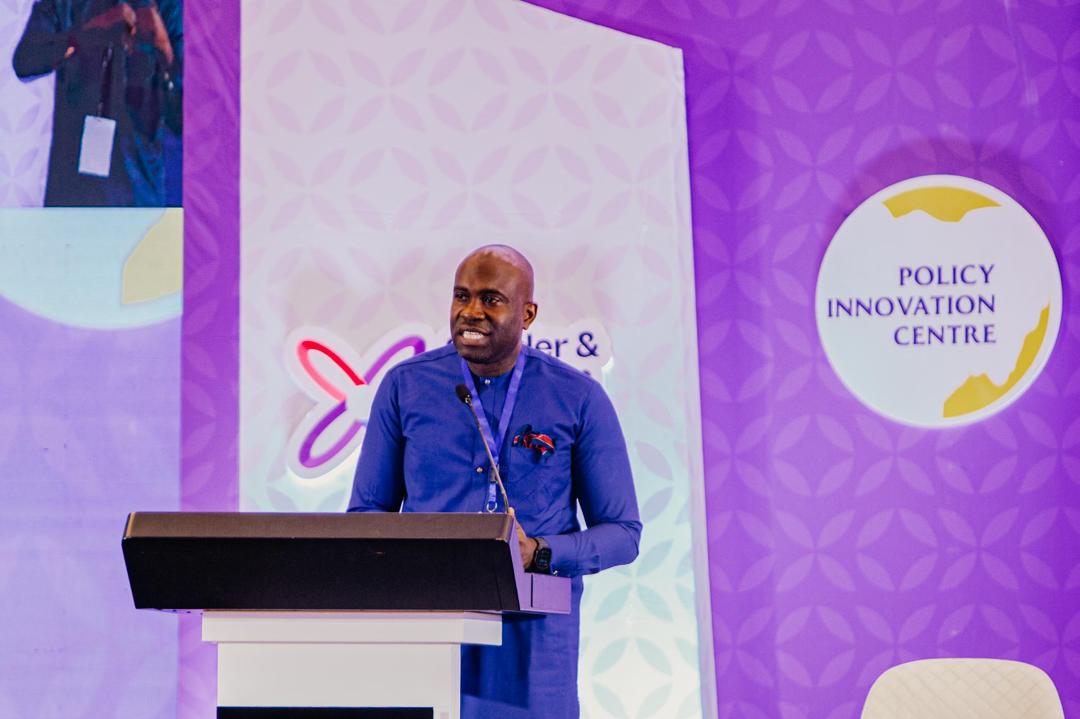
“Funding towards maternal and child health in Nigeria dropped by 67%. That means that for every three women in your community, two of them will not have access to critical women’s health commodities that they had last year,” he said, noting that Official Development Assistance (ODA) to Nigeria has fallen by 40 percent, with women-focused programmes especially hit.
Despite these setbacks, he noted that Nigeria posted significant gains. In 2024, the country advanced 25 places on the World Economic Forum’s Gender Gap Economic Opportunity Index, surpassing its 2028 target three years early, with Female labour force participation rising, while maternal deaths are declining due to expanded access to essential medicines.
Central to these achievements is the adoption of the National Women’s Economic Empowerment (WEE) Policy, Nigeria’s first such framework. Isichei described it as “a strong blueprint for lifting up Nigerian women and girls in agriculture, entrepreneurship, education, and the formal labour force.”
Lagos and Kaduna States have already rolled out domesticated plans, and 14 others are in progress, and Isichei said “These are strong foundations, but we must go beyond launches to delivery,”.
To deepen the impact, the Foundation committed $2.5 billion through 2030 to women’s health research and development. “Investing in women’s health and economic empowerment has a lasting impact across generations — healthier families, stronger economies, and a more just world,” he said.

Adding: “We have seen the hard evidence that investing in women’s health and economic empowerment has a lasting impact across generations,” Isichei said, adding “It leads to healthier families, stronger economies, and a more just world.”
The Foundation called on the Nigerian government to strengthen delivery systems, ensure gender-responsive budgeting, and release funds promptly.
“The policies exist, but they must be backed with resources and execution,” he stressed.
Isichei also connected Nigeria’s agenda to continental opportunity as Africa’s combined nominal GDP stands at $2.8 trillion, while its population is projected to reach 2.5 billion by 2050; representing a 67% growth in just one generation.
Addressing the private sector, Isichei urged companies to see inclusion as strategy, not charity. “Investing in women is not charity. It is strategy,” he declared, citing examples like WEMA Bank, which offers 180 days of maternity leave, and Access Bank, which runs mentorship programmes through its Access Women Network.
He also praised civil society for pushing rights and accountability but challenged them to drive measurable results. “Your work brought us here. Now we must deliver impact,” he said.
On trade, Isichei noted that the African Continental Free Trade Area (AfCFTA) offers opportunities for women entrepreneurs to access wider markets. “If women are supported to harness AfCFTA, the gains will be transformative -not just for households, but for Nigeria’s economy at large,” he stated.
Looking ahead to 2026, Isichei outlined concrete benchmarks: every state implementing and financing WEE plans; widespread rollout of women-centric health innovations; increased women’s access to credit, markets, and digital tools; and enhanced representation in leadership roles.
“The test of inclusion is not the summit,” he concluded. “The test is what we change after the applause dies down.”
The the Gender and Inclusion Summit was convened by the Policy Innovation Centre, an initiative of the Nigerian Economic Summit Group (NESG); leading national institutionalized behavioural initiative on the continent, dedicated to supporting governments and stakeholders in designing evidence-based and inclusive solutions.