

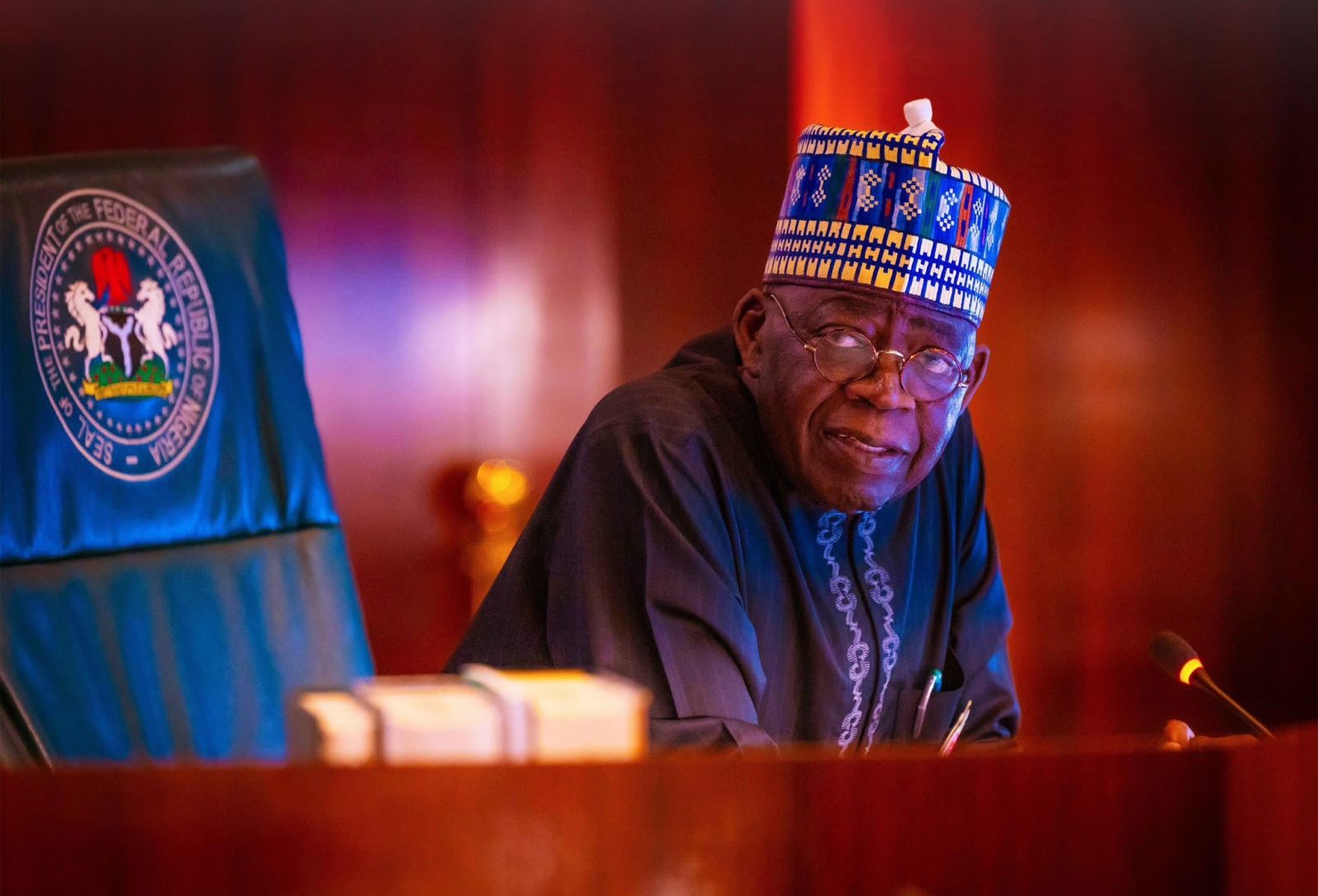

President Bola Tinubu has declined to grant an audience to a special envoy sent by South African President Cyril Ramaphosa, in what appears to be Nigeria’s strongest diplomatic response yet to the persistent xenophobic attacks and killings of Nigerians living in South Africa.
The South African delegation, headed by the country’s Minister of International Relations and Cooperation, Ronald Lamola, arrived in Abuja on Friday to deliver what officials described as an important message from President Ramaphosa.
However, diplomatic sources said the Nigerian government was unwilling to proceed with high-level talks while attacks against Nigerians continue unabated in South Africa.
The development came barely 24 hours after the reported death of another Nigerian, Chika Ibe, who was allegedly arrested at his residence in Bellville, Cape Town, by personnel of the South African Police Service and tortured to death.
Nigeria has in recent weeks intensified its condemnation of xenophobic violence against its citizens and other African nationals in South Africa. Speaking at the 69th Ordinary Session of the ECOWAS Authority of Heads of State and Government held in Lungi, Sierra Leone, Vice President Kashim Shettima, who represented President Tinubu, vowed that Nigeria would seek stronger continental action against xenophobia through the African Union.
The Vice President described the attacks as unacceptable and called on African leaders to collectively defend the rights, safety and dignity of citizens across the continent. He also revealed that Nigeria had previously evacuated 1,490 of its nationals affected by xenophobic violence in South Africa and reaffirmed the country’s commitment to pursuing diplomatic and institutional solutions to the crisis.
Sources within Nigeria’s diplomatic circles disclosed that the Minister of Foreign Affairs, Ambassador Bianca Odumegwu-Ojukwu, advised against receiving the South African delegation at this time, citing the recurring attacks on Nigerians, as well as the destruction of their businesses and properties.
The minister was said to have maintained that South Africa could not expect immediate access to President Tinubu without fulfilling certain diplomatic obligations and securing a formal appointment.
One of Nigeria’s key demands, according to the sources, is the ratification of the Memorandum of Understanding on the Early Warning Mechanism signed by both countries in Abuja on October 22 last year.
The agreement was designed to establish a framework for monitoring security threats, protecting citizens and improving consular cooperation between Nigeria and South Africa. It also provides mechanisms for the rapid exchange of information to prevent xenophobic attacks, criminal reprisals and other acts of violence against nationals of either country.
Diplomatic sources alleged that South Africa has yet to ratify the agreement despite signing it, thereby limiting its implementation.
Officials familiar with the matter argued that, if operational, the Early Warning Mechanism could have strengthened efforts to safeguard Nigerians in South Africa and provided avenues for addressing compensation claims arising from the destruction of lives and property during xenophobic attacks.
They further noted that victims of previous attacks are yet to receive compensation from South African authorities.
As of the time of filing this report, President Tinubu had not agreed to meet the South African envoy. It also remains unclear whether a reported telephone conversation initiated by President Ramaphosa over the weekend yielded any diplomatic breakthrough.
Analysts say Pretoria’s latest diplomatic engagement may be aimed at easing tensions amid growing calls within Nigeria for tougher measures against xenophobia and concerns over the potential implications of strained bilateral relations on South African business interests in Nigeria.
The refusal to receive the envoy underscores Nigeria’s insistence that meaningful commitments and concrete actions—not diplomatic gestures alone—must precede further engagements on the safety and welfare of its citizens in South Africa.