
The Fall of Another General: Rising Casualties, Rising Questions: Mr. President, Act Now or Resign.

By Amb. Anderson Osiebe.
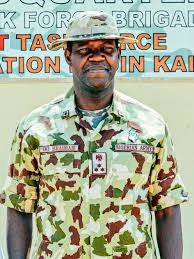
Nigeria has once again been thrown into mourning following the reported killing of a Brigadier General by insurgents linked to Boko Haram. Sad!
The tragic development underscores a deepening security crisis that continues to claim both civilian and military lives across the country.
From the troubled terrains of Zamfara, Borno, to the bloodied communities in Plateau and Benue, stretching through Kaduna and into parts of the East and West, the pattern has become disturbingly familiar: attacks, casualties, and official condolence messages.
For many Nigerians, these responses, though necessary, are no longer sufficient. At the center of growing public frustration is President Bola Ahmed Tinubu, whose administration faces mounting criticism over what citizens describe as a reactive rather than proactive approach to national security. While expressions of sympathy continue to pour in from the highest levels of government, critics argue that words without decisive action are failing to stem the tide of violence.
Observers note a widening disconnect between the urgency of Nigeria’s security challenges and the political focus of the nation’s leadership.

As conversations around the 2027 general elections begin to gain traction among political elites, many Nigerians are questioning whether governance priorities are shifting prematurely toward political calculations at the expense of immediate national safety.
Security analysts warn that the killing of a high-ranking military officer is not just symbolic, it is a stark indicator of the evolving strength and boldness of insurgent groups. It raises serious concerns about intelligence gathering, military preparedness, and the overall strategy being deployed to combat insecurity.
For ordinary Nigerians, the question remains painfully simple: Who will protect the people? The constitutional responsibility of government, to ensure the security of lives and property appears increasingly under strain.
Communities are left vulnerable, soldiers are overstretched, and trust in institutions is gradually eroding.
As the nation grapples with yet another loss, the call for a comprehensive reassessment of Nigeria’s security architecture grows louder. Citizens are demanding more than condolences, they are demanding accountability, decisive leadership, and tangible results.
The road ahead is uncertain, but one thing is clear: Nigeria stands at a critical juncture. The choices made now by its leaders will determine whether the country can reclaim control of its security landscape or continue down a path marked by loss, fear, and unanswered questions.
Submitted by Amb. Anderson Osiebe.
God bless Nigeria!