

By Ezeh Emmanuel Ezeh Ph.D
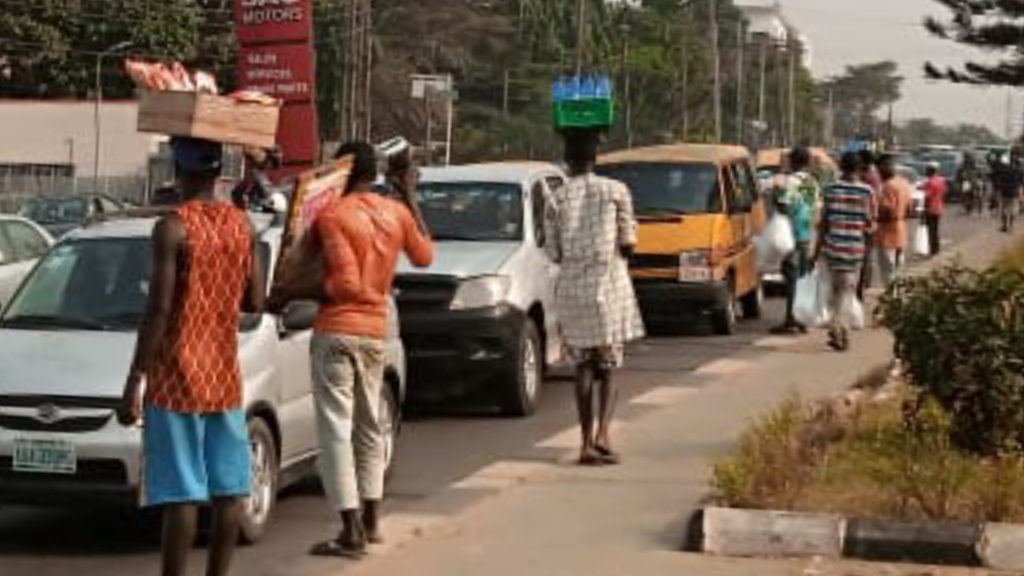
In a country where survival is a daily hustle, the Ebonyi Hawkers Empowerment Scheme was announced with fanfare, touted as a bold intervention to uplift thousands of indigenous hawkers from the grind of street vending into sustainable enterprise. It was a major concern raised in my governorship manifesto, one I celebrated as a personal win, because when ideas are utilized, progress is made. But today, the silence surrounding its execution is deafening. And as Madam Oby Ezekwesili rightly insists, “After God, everyone else must come with data.”

Yet, the data is missing.
I have refused to join the bandwagon of those making accusations. I waited for the government’s official report, but it’s beginning to feel like waiting for Godot. That report may never show up.
So many unanswered questions: Was it ₦2 billion or ₦3 billion? The figures float in the public domain, but no official ledger has been laid bare. Was each hawker given ₦1 million or ₦2 million? If ₦2 billion was disbursed in ₦1 million lots, that’s 2,000 hawkers empowered. If ₦3 billion was disbursed in ₦2 million lots, that’s 1,500 hawkers lifted. But how many hawkers can actually point to their empowerment?
Instead, we hear the stories from the streets. Heart-wrenching stories that echo across Nigeria’s urban corridors.
On the streets of Mile 2 in Lagos, Mrs. Ogah sells plantain chips from a wooden tray balanced on her head. She dodges danfos and okadas daily, risking her life for ₦500 profit. She dreams of owning a kiosk but says, “Government dey talk, but we no dey see anything.”
On the streets of Festac, Nwambam pushes a wheelbarrow filled with second-hand clothes. He’s been hawking for six years, saving to rent a stall. He heard about the Ebonyi scheme from a cousin but laughed it off, “Na only people wey know person dey collect that money.”
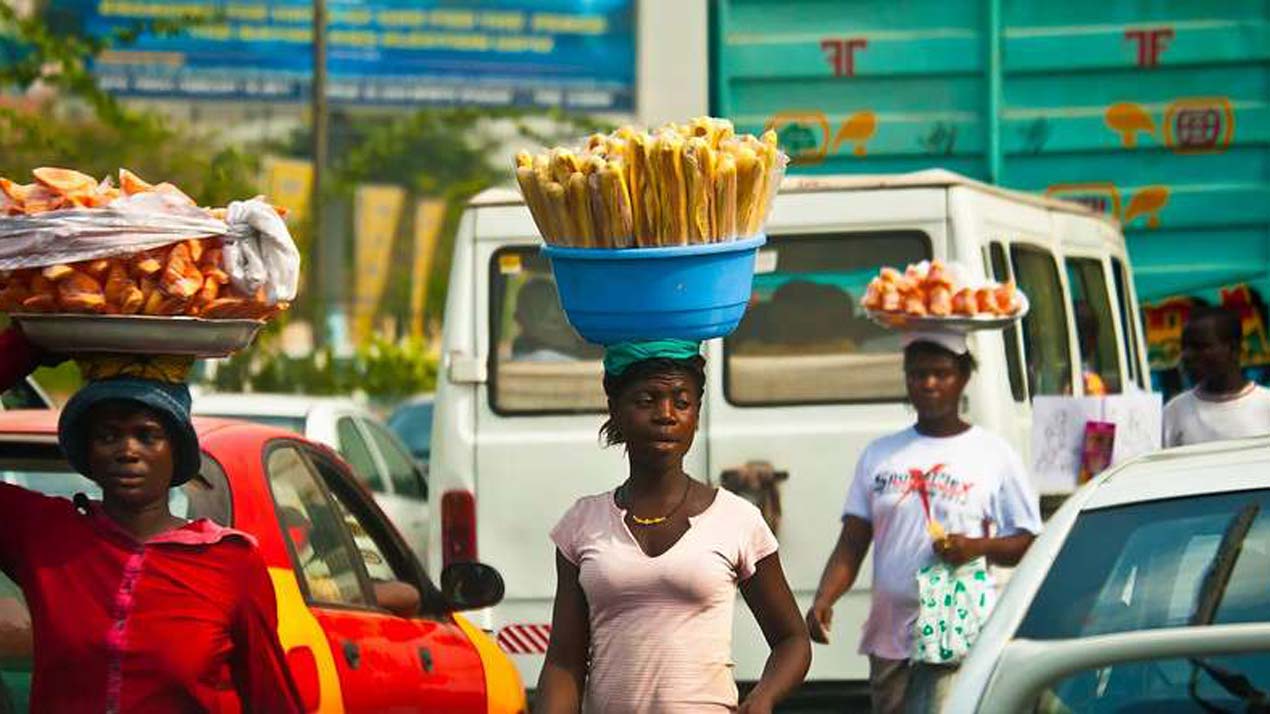
In D-Line, Port Harcourt, Blessing sells cold zobo and chin-chin under a leaking umbrella. She hails from Nwofe, the same community as the Governor. She says she would use ₦1 million to buy a freezer and start a proper drinks business. She prayed for her brother’s success. But she’s stuck in the cycle; selling, sweating, surviving. She now feels betrayed.

Back in Abakaliki, Idike boils corn and groundnuts around the yet-to-be-completed Vanco flyover. She’s been saving for a second-hand umbrella to shield her stall from the rain. She heard about the empowerment scheme but never saw a form, let alone a naira.
Something connects these persons. They are all Ebonyians scattered across the corners of Nigeria in search of a better life, and they are all hawkers.
These are not just anecdotes. They are the pulse of Nigeria’s informal economy. They are the reason why transparency matters.
Across many Nigerian cities, Ebonyi hawkers, many of them young, ambitious, and desperate, have become pawns in a larger power game. Promises of empowerment are dangled like carrots, and that’s where the story usually ends. In the absence of structured support, hawkers now find themselves praying for handouts from self-styled benefactors like Lord Zeus and Obi Cuba, whose flashy giveaways have become the new hope for the forgotten. The spectacle of empowerment has replaced its substance. This is what many of us, myself included, continue to speak up against.
Imagine 2,000 hawkers each receiving ₦1 million which is enough to stock inventory, rent a stall, and even hire help. Imagine 1,500 hawkers each receiving ₦2 million, enough to scale, diversify, and formalize their businesses. That’s not just empowerment; that’s economic transformation. But without transparency, the scheme risks becoming another ghost project,funded but forgotten.
Each time accountability issues are raised, hired government social media bots are unleashed. They do not want opposition to ask questions, yet they claim they are democrats. What a sad irony. The revelations emerging under Mr. Patricia Obila’s tenure as acting governor expose that all is not well. We can’t keep silent forever.
Ebonyians deserve clarity. They deserve data. They deserve to know how public funds meant for their upliftment were spent. The government must publish a full breakdown of the budget, a list of beneficiaries, impact assessments, and independent audits of the scheme. Until then, the silence will speak louder than any press release, and Ebonyians will keep asking, because silence is not an option.
Even talk has its limits. I urge opposition members to jointly issue a proper demand for accountability, especially regarding the hawkers empowerment scheme. Let no one mistake this for hostility. We are actually helping our brother see what must be done. If nothing else, let us escalate this issue beyond the court of public opinion to a properly constituted court of law.
This is not just about hawkers. It’s about dignity, justice, and the soul of Ebonyi State. It concerns all Ebonyians and must not be left to opposition figures alone. The governor himself must take the lead as he returns from his well-deserved annual leave.
Ezeh Emmanuel Ezeh Ph.D, DBA, GPOL(oxon)
President, Ebonyi Chamber of Commerce, Industry, Mines and Agriculture. An Oxford-trained entrepreneur and organizational Leadership technocrat, Trade Policy Professional, Public policy expert and about to graduate student of SPPG, is a member of the National Advisory Committee of the Obidient Movement. LP 2023 House of Representatives Candidate for Abakaliki/Izzi Federal Constituency.