
Nigeria Lagging Behind Egypt, South Africa, Indonesia Due Inadequate Funding of Education- Peter Obi

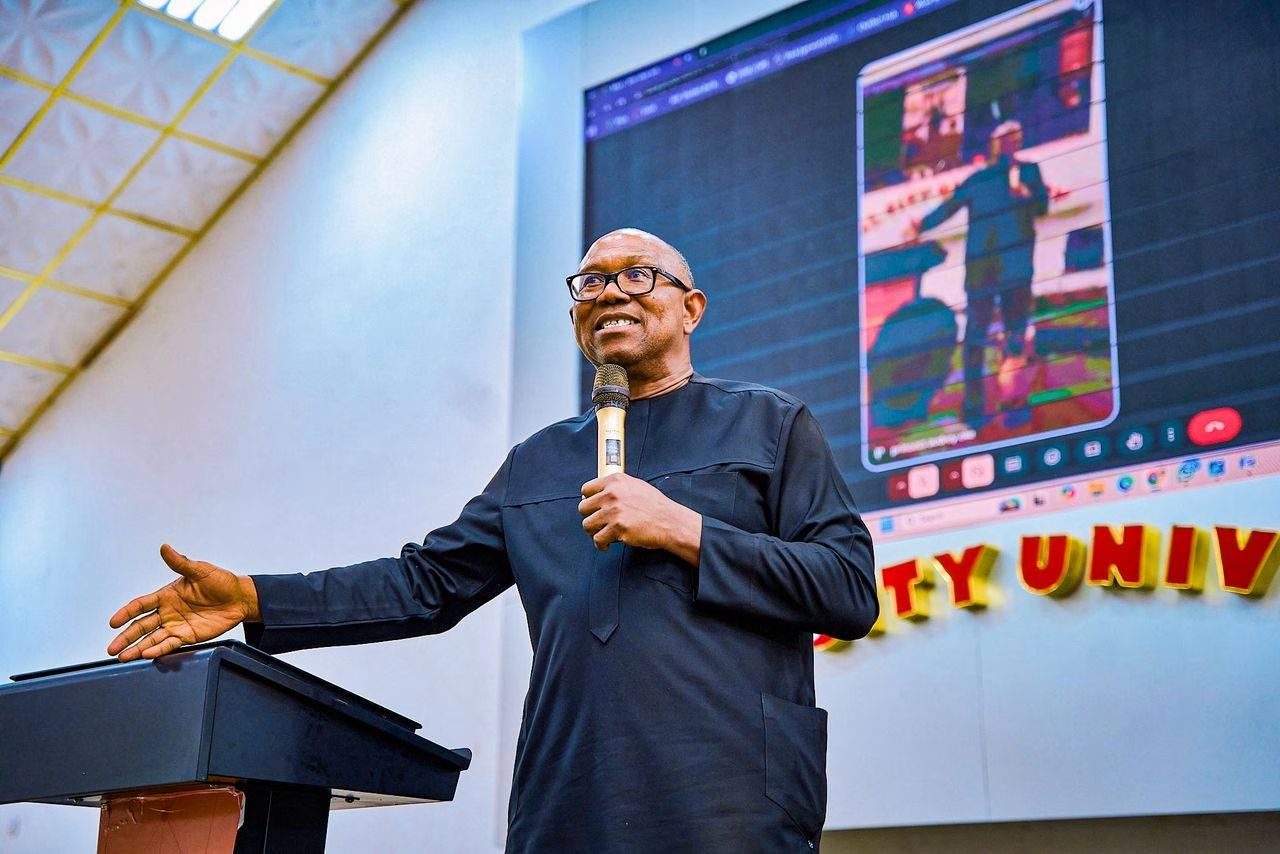

Former Governor of Anambra State and 2023 presidential candidate of the Labour Party, Mr. Peter Obi has said that Nigeria was lagging behind on developmental issues due to inadequate funding of education in the country.
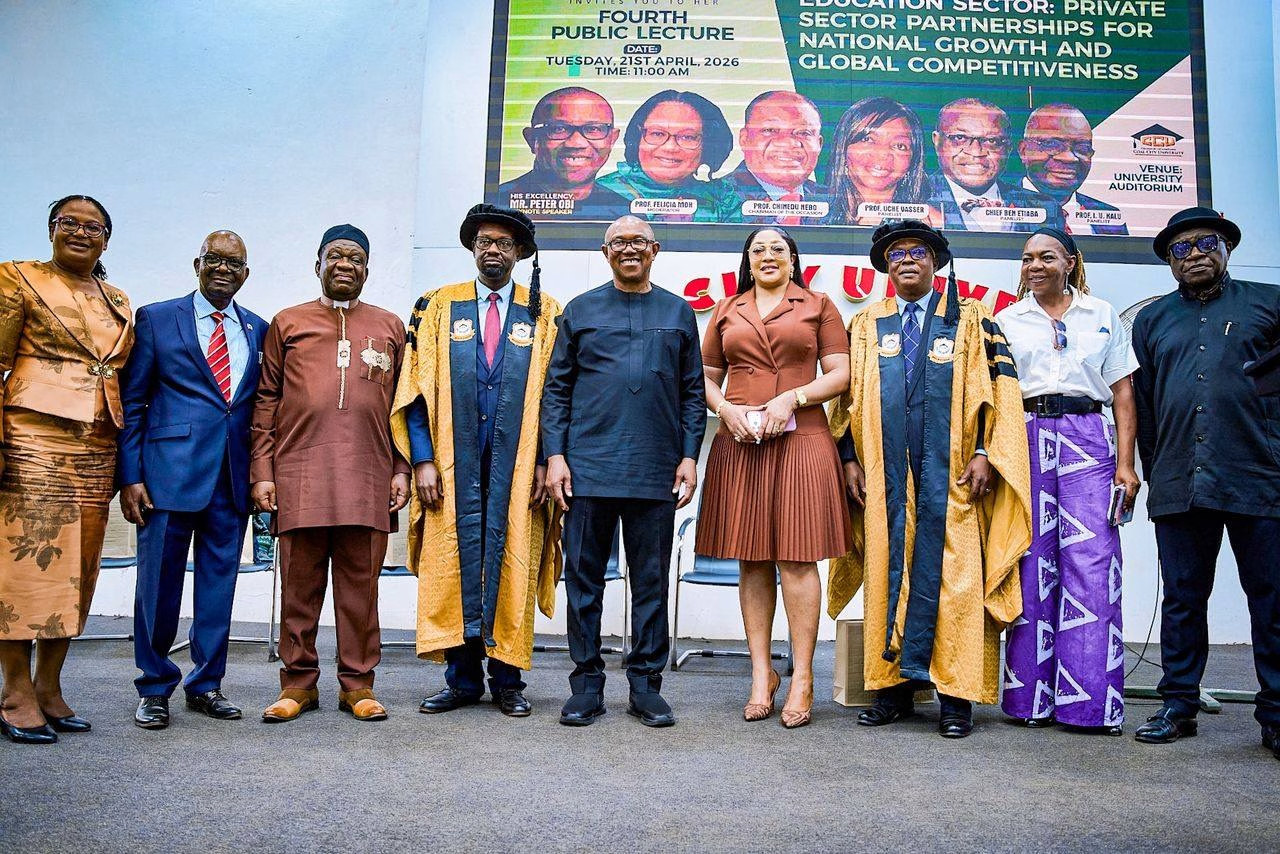
Obi who was a guest lecturer at the Coal City University Enugu,( CCU) decried Nigeria’s current situation among her peers in the comity of nations, including contemporaries like Egypt, South Africa and Indonesia.
According to Obi, “No nation rises above the quality of its education system. Nigeria’s current low Human Development Index (HDI) score of 0.548 and persistent high unemployment are clear symptoms of chronic underinvestment in education and human capital development.”
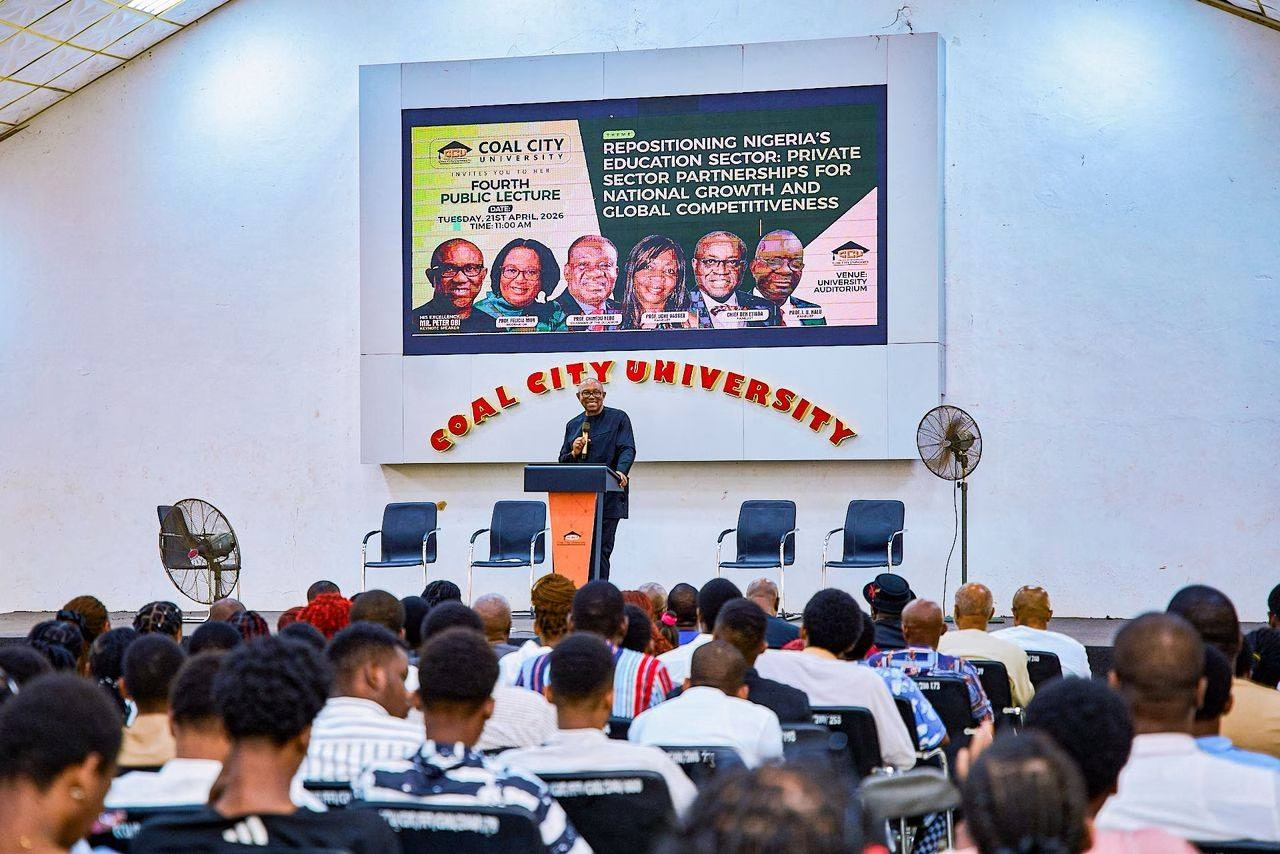
In his lecture titled, ‘Repositioning Nigeria’s education sector for national growth and global competitiveness,” the former presidential candidate while comparing Nigeria’s development statistics in comparison with other countries within Nigeria’s capacity noted that, “Nigeria allocates less than 10% of its budget to education, far below the 15–20% global benchmark. Youth unemployment and underemployment exceed 30%, while life expectancy remains among the lowest 50–55 years. Literacy levels hover below average 59% and 65%, all of which point to deep structural weaknesses in our development trajectory.
“In contrast, comparable countries such as Indonesia and Egypt, and South Africa have high HDI levels with HDI scores of 0.72–0.75. They all have higher life expectancy of above 65 years, higher literacy levels and higher per capita incomes of $3,500 above, while Nigeria is about $1000. This stronger progress was through sustained and deliberate investment in education, healthcare, and broader human capital development. The difference is not in talent, but in priority and policy consistency.”
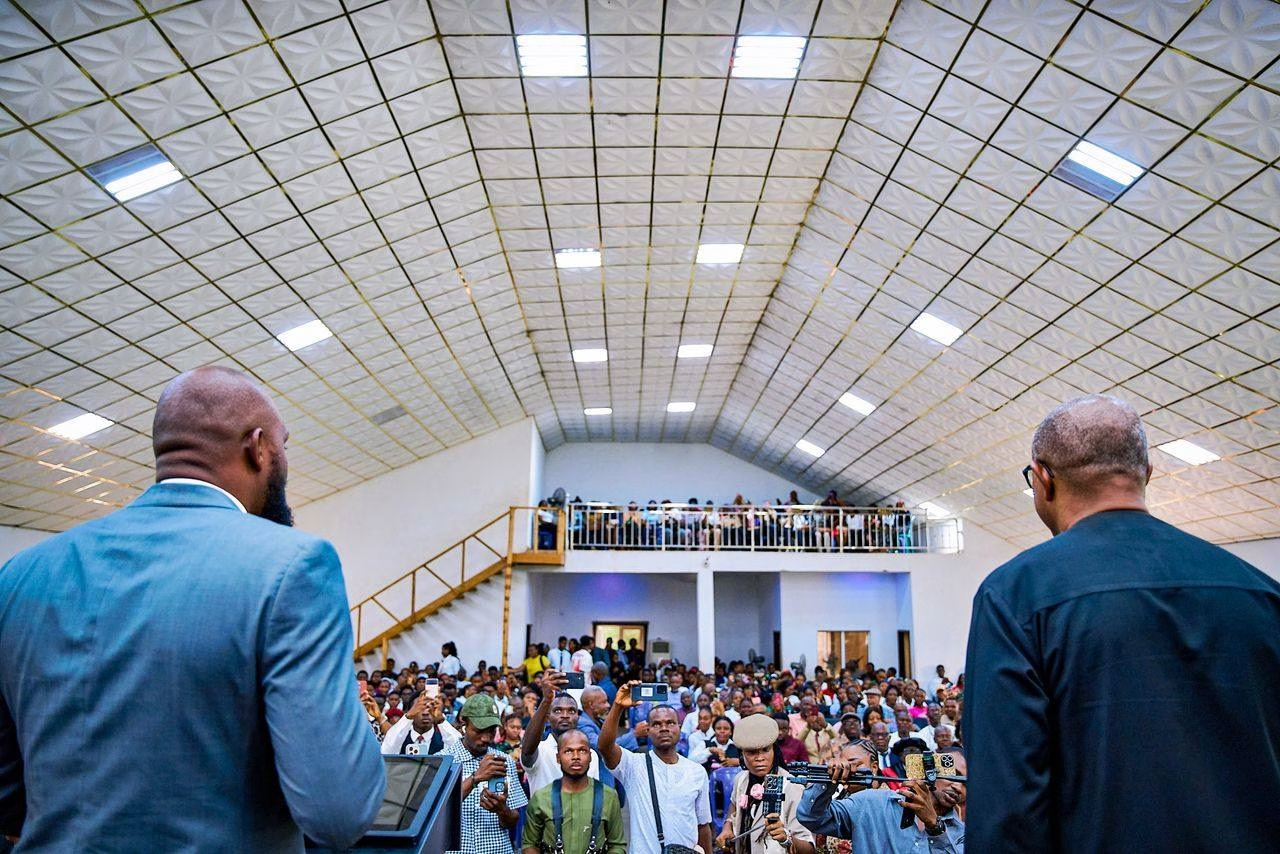
The former Anmabra State governor, therefore, posited that “Nigeria must move beyond rhetoric and confront these realities with urgency. I therefore called for a total review of Nigeria’s education funding model, stronger public-private partnerships, and more inclusive policies that recognise the role of both public and private institutions in educating Nigerian students. It is difficult to justify excluding private universities from intervention frameworks like TETFund when they are actively contributing to national capacity building.
He reiterated that “Education is not charity; it is the foundation of national growth and the gateway to global competitiveness. With sustained investment in education and a deliberate focus on human capital development.”